PH and us…
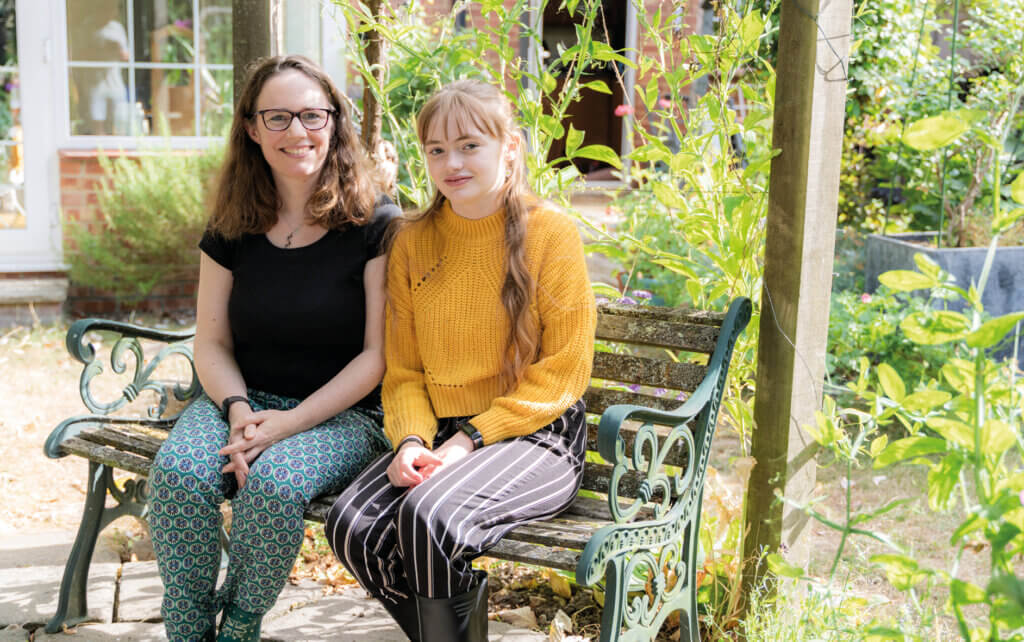
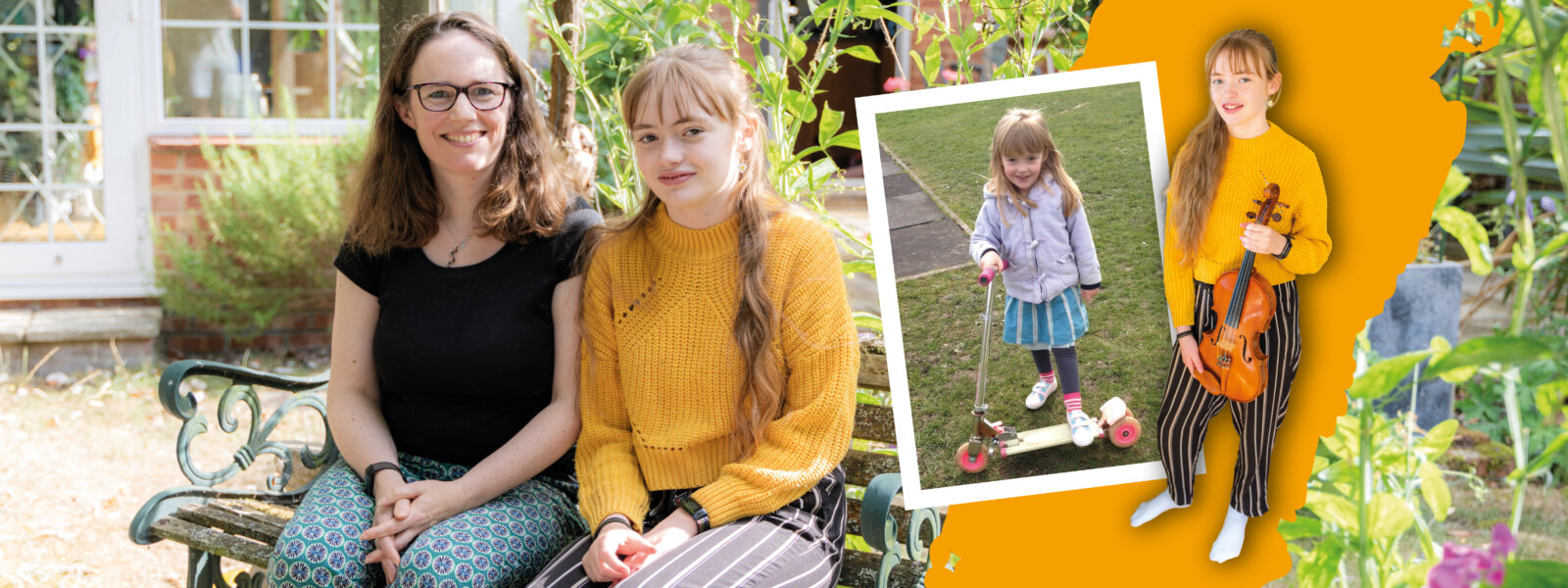
Emily Gravenstede, now 15, was diagnosed with pulmonary hypertension as a toddler. Her family have learned a lot about living alongside the disease since, and we caught up with her and mum Lorna to hear their reflections and advice.
Interviews conducted summer 2025
“It’s about making the best of every opportunity”
Lorna
“When Emily first got her diagnosis at three, I couldn’t imagine as far ahead as 11 years later. PH has made our lives different, but in a sense, I can’t even think how things would have been instead – because it’s just been ‘life’.
It’s meant a lot of medical appointments that wouldn’t have been, a lot of dealing with medicines that wouldn’t have been and advocating for Emily in ways that wouldn’t have been needed. It’s also meant a lot of learning.
Emily is amazing and I’m hugely proud of her. The PH has never stopped her doing anything she wants to do, and she’s really confident and very mature.
With or without PH, she’d be a performer. I remember her giving a full-on performance as Elsa from Frozen during her visit to Great Ormond Street Children’s Hospital (GOSH), right there on Walrus Ward.
Emily has always loved going to GOSH. After so many years, it’s like meeting friends when we see the team there. She’s always been really good at telling the doctors what she’s feeling and what her symptoms are, so they’ve loved that because they’ve gained insights they didn’t have.
If you are a parent of a child who’s just been diagnosed, my number one piece of advice is to trust your medical team, especially if it’s the PH team at GOSH, because they really know what they’re talking about.
If you’ve got any questions, just email or phone them. They’ll get back to you, they’ll explain, and they really know what they’re talking about. Don’t trust the internet; trust the specialists, because they can guide you through.
Hope has got to be really important because if you’ve got no hope, that’s going to change how you are with your child, and how you are in general. I appreciate that everybody’s journey is different and the outcome isn’t always good, but no-one knows at the start what that will be.
It’s not always easy to live with hope when you’re dealing with something like this, but it is true that no one knows what’s going to happen to anybody tomorrow. My family have been really lucky, and equally there will be people who won’t be so lucky. But without hope, what is there?
It’s a bit of a cliche, but when you’re faced with PH in your family, it’s all about living your best life and making the best of every opportunity.”
“My advice to another young person with PH would be not to compare yourself to others”
Emily
“People don’t always understand what it’s like to have PH. They’ll understand that I will get a bit more breathless, but they don’t always understand how hard it can be to manage that.
I feel like when you can’t see the fact that there’s a disability, it automatically becomes less ‘severe’ in other people’s eyes.
When I damaged my knee and had to walk with a crutch, I found that people were being a lot more careful around me and were a lot more aware than they would be if I didn’t have an accessory to show. There was a really big difference.
I like to be quite active and sometimes the breathlessness does get in my way. I find it stops me doing as much as other people, and overall, my PH symptoms mean that I often have to think a lot harder about what I’m doing.
But even though I’ve got PH I can still enjoy loads of things, such as Stagecoach (performing arts coaching), singing, acting, and dancing. I play the piano and violin and I really enjoy my music because it’s a creative outlet for me that isn’t affected by my health condition.
My advice to another young person with PH would be not to compare yourself to others, because everyone is different. I find comparing yourself often leads to certain expectations, such as thinking you should be able to do something just because they can.
I think it’s really important for people with PH to find what makes them happy, because it gives them a life outside of the disease.”