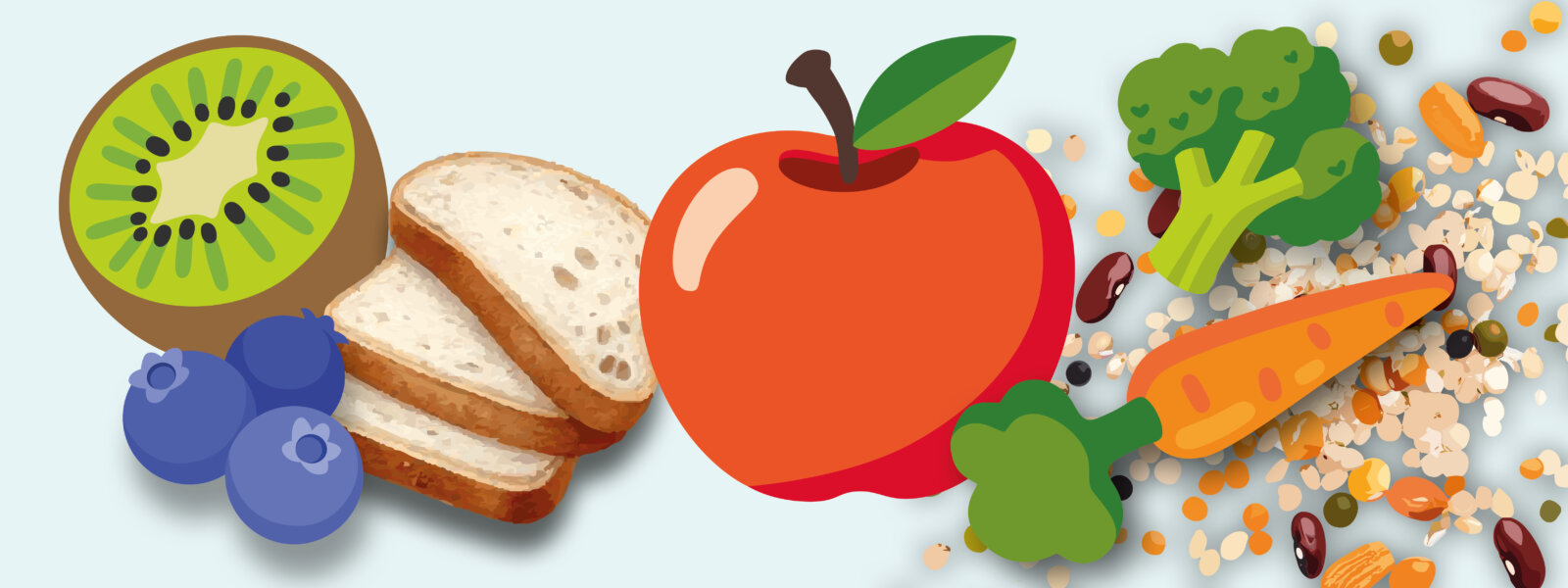
Focusing on fibre
Remember when everyone suddenly started talking about protein? Gym-goers tracked it obsessively. Health magazines dedicated entire features to it. Supermarkets launched high-protein everything – yoghurts, cereals, even water. Now, science is shining the spotlight on another nutrient that’s been quietly working away in the background: fibre. This is why it’s important to pay attention to it with PH…
By Shaun Clayton, Certified Nutritionist and Operations and Finance Director at the PHA UK
Fibre is the part of plant foods your body can’t fully digest. Instead of being absorbed like other nutrients, it travels through your digestive system where your gut bacteria feed on it.
This might sound unimportant, but here’s where it gets interesting: when your gut bacteria break down fibre, they create special substances called short-chain fatty acids. Think of these as tiny messengers that travel around your body, helping to reduce inflammation and support your immune system.
The gut-lung connection
Scientists have discovered something fascinating: your gut and lungs communicate with each other. They call it the ‘gut-lung axis.’.
Research shows that people with pulmonary hypertension often have different gut bacteria compared to healthy people. Specifically, they have fewer of the helpful bacteria that produce those inflammation-fighting substances from fibre.
Animal studies have shown that when researchers give animals with PH-like conditions either more fibre or those beneficial fatty acids directly, several things improve:
- Reduced pressure in the lungs
- Less inflammation
- Better heart function
These are early-stage studies in animals, not humans yet. But they show genuine biological mechanisms – real ways that fibre might help support your health.
Beyond PH: Fibre’s wider benefits
Large studies tracking thousands of people show that those eating more fibre have:
- Better lung function
- Lower rates of breathing problems like COPD
- Healthier blood pressure
- Better cholesterol levels
- Easier weight management
All of these matter when you’re managing a condition affecting your heart and lungs.
Like protein’s journey from boring to beloved, fibre is proving to be far more sophisticated than anyone realised. It’s not just about keeping you regular—it actively influences inflammation, immune function and cardiovascular health throughout your entire body.
The problem? Most of us aren’t eating nearly enough. UK adults typically eat around 18g of fibre daily. The recommendation is 30g. That’s a significant gap.
Simple ways to add more fibre
Forget complicated meal plans. Focus on small, sustainable swaps:
Breakfast
- Swap white toast → wholemeal or seeded bread
- Choose porridge or Weetabix → instead of Corn Flakes
- Add berries or banana → to cereal or yoghurt
Lunch and dinner
- White rice → brown rice or quinoa
- White pasta → wholegrain pasta
- Regular potatoes → keep the skins on (wash them well)
- Add beans to soup, casseroles or chilli
Snacks that count
- Apple slices with peanut butter
- Carrot sticks with hummus
- Handful of nuts or dried fruit
- Wholegrain crackers
Easy additions
- Throw frozen vegetables into pasta sauces
- Add a tin of chickpeas to salads
- Keep frozen berries in stock for smoothies
- Sprinkle seeds on soup or yoghurt
Aim for five-a-day (at least)
- Fresh, frozen or tinned all count
- Variety matters – different colours provide different benefits
- A portion is roughly a handful
Important things to know
Go slowly: Increase fibre gradually over two to three weeks. Your gut needs time to adjust. Adding too much too quickly can cause bloating or discomfort.
Drink plenty of water: Fibre works best with adequate fluids. Aim for six to eight glasses daily (unless your specialist has advised fluid restrictions).
Check with your team: If you have other medical conditions, take multiple medications or have specific dietary requirements, discuss changes with your PH specialist or dietitian first.
Think of fibre like regular exercise or getting enough sleep: it’s one piece of your overall health picture. It supports your body’s natural processes and may help reduce inflammation, but it doesn’t replace medical treatment.
The honest truth about the evidence
Here’s what we know and what we don’t:
We know: Animal studies show fibre can reduce lung inflammation and improve heart function in PH-like conditions. Large human studies link higher fibre intake to better lung function and lower rates of breathing problems.
We don’t know yet: Whether eating more fibre directly improves outcomes for people with PH. Those specific studies haven’t been done yet.
This is exactly where protein research was 15 years ago – strong biological evidence showing how it works, needing larger trials to prove specific benefits.
Making it work in real life
Don’t try to overhaul everything overnight. Pick one or two changes this week:
- This week: Switch to wholemeal bread
- Next week: Add beans to one meal
- Week after: Include an extra portion of vegetables daily
Small changes add up. If you add 3-4g of fibre daily through simple swaps, you’ll reach that 30g target within weeks.
Why this matters now
We’re learning that nutrition isn’t just about calories and basic nutrients. The food you eat actively communicates with your body, influencing inflammation, immune function and how well your cardiovascular system works.
Fibre is emerging as a key player in these conversations – particularly the dialogue between your gut and your lungs. As someone living with PH, supporting your body’s natural anti-inflammatory processes makes sense alongside your prescribed treatments.
The beauty of fibre is its simplicity. No expensive supplements. No complicated protocols. Just real food: vegetables, fruits, whole grains, beans and nuts.
Your next steps
- Look at what you’re eating now—where could you make simple swaps?
- Pick one or two easy changes to start this week
- Increase gradually as your body adjusts
- Discuss your plan with your PH team at your next appointment
Remember: this isn’t about perfection. It’s about progress. Even small increases in fibre intake bring benefits.
Important reminder: Always discuss dietary changes with your PH specialist team, particularly if you have other medical conditions or concerns about how changes might affect your medications.