Strong foundations: Your guide to nutrition for better bone and muscle health
How you can keep bones and muscles strong, especially when managing ongoing health conditions…
By Shaun Clayton, Certified Nutritionist and Operations and Finance Director at the PHA UK
Living with a chronic condition like pulmonary hypertension (PH) brings its unique set of challenges. But here’s something you might not have given much thought to – the silent heroes of your body: your bones and muscles. Let’s chat about why they deserve your attention and how you can keep them strong, especially when managing ongoing health conditions.
Think of your bones and muscles as your body’s dynamic duo. Your bones aren’t just a rigid framework; they’re living tissue that protects your organs like a well-designed suit of armour. As for muscles? They’re not just for showing off at the gym – they’re essential partners in everything from getting out of bed to maintaining your metabolism.
When you’re dealing with a chronic condition like PH, these faithful allies can face extra challenges. Maybe you’ve found yourself less active than before, or perhaps you’re taking medications that might affect your bone strength. Don’t worry – I’ve got your back with some practical solutions.
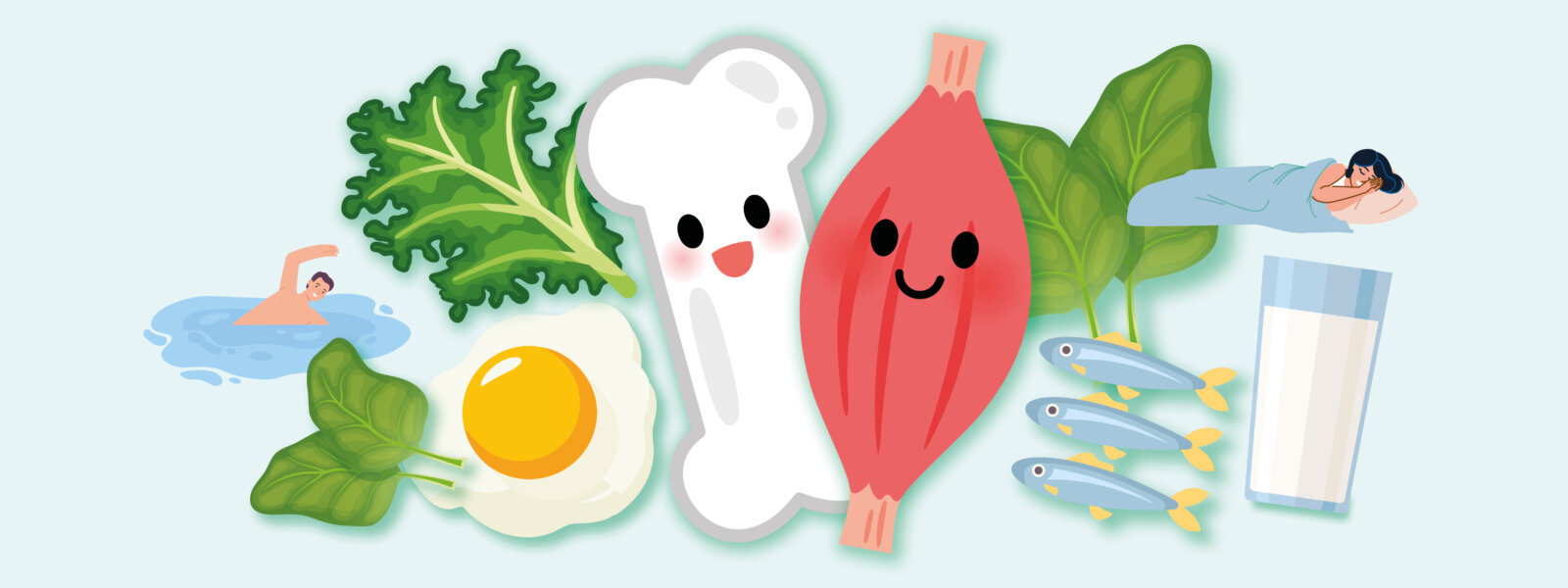
Let’s talk nutrition first. Your bones and muscles have quite the appetite for specific nutrients and feeding them right doesn’t have to be complicated. Calcium is like your bones’ best friend, and you can find it in more places than just a glass of milk. Love your greens? Kale and spinach are packed with it. Fan of fish? Sardines and salmon, especially when you eat the soft bones, are calcium goldmines.
But here’s the thing – calcium needs its buddy vitamin D to really work its magic. Think of vitamin D as your body’s calcium chauffeur, helping it get where it needs to go. While sunshine is a great source, you can also find it in fatty fish, egg yolks, and many fortified foods. And let’s not forget about protein – it’s not just for bodybuilders! Your muscles need it for repair and maintenance, and surprisingly, it helps your bones stay strong too.
Moving your body matters just as much as feeding it right. Now, I know what you might be thinking – “Exercise? With my condition?” But here’s the good news: movement doesn’t have to mean marathon training. For those managing PH, gentle activities like swimming or modified yoga can work wonders. The key is finding what works for you, at your pace, with your specialist team’s blessing.
Here’s a tip that often gets overlooked – hydration and sleep are like the background music of your health symphony. They might not be the stars of the show, but without them, the performance just isn’t the same. Good hydration keeps your muscles happy, while quality sleep gives your body time to repair and rebuild.
Living with a chronic condition doesn’t mean you can’t maintain strong bones and muscles. It just means being a bit more strategic about it. Work with your healthcare team to create a plan that fits your life. Maybe start with small changes – adding an extra serving of calcium-rich foods to your meals, or trying gentle stretches in the morning.
Remember, you’re not just maintaining bones and muscles – you’re investing in your independence, mobility, and quality of life. And that’s something worth protecting, one small step at a time.
What small change could you start with today to support your bone and muscle health? Sometimes the smallest adjustments make the biggest difference in the long run.
Got a question about nutrition? You can email Shaun at nutrition@phauk.org